image via EuroLeague
The future of European basketball is becoming one of the biggest business conversations in professional sports.
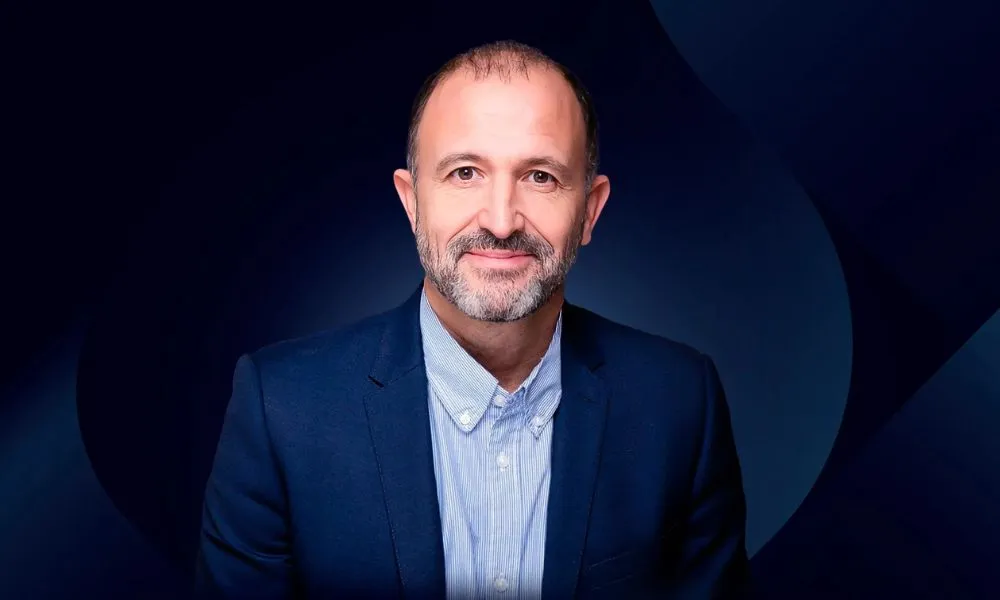
As the NBA explores its own European expansion plans, EuroLeague CEO Chus Bueno is making it clear that his organization has its own vision for the sport’s future. While discussions between the two basketball powers remain possible, the EuroLeague isn’t prepared to sacrifice its independence simply to establish a relationship with the NBA.
Bueno’s message is straightforward: European basketball already has an established identity, passionate supporters and a competitive product. It doesn’t need the NBA to define its value.
The NBA and EuroLeague Have Different Visions for Europe
The NBA has been working with FIBA on plans to introduce NBA Europe, a proposed competition expected to launch in 2027.
The initiative represents an opportunity for the NBA to expand its global business footprint while bringing additional investment, infrastructure and commercial opportunities to European basketball.
However, the EuroLeague has its own ambitions.
Following an October 6 meeting in Lake Como, Italy, EuroLeague shareholder clubs rejected an NBA collaboration proposal. That decision didn’t completely end discussions between the organizations.
Bueno has maintained that the EuroLeague remains willing to listen to future proposals, provided any agreement protects the interests of its clubs and the competition.
In comments reported by Reuters and Eurohoops, Bueno explained that discussions could continue, but any potential partnership must make sense for both sides.
He also warned that creating competing competitions could divide the European basketball market and diminish its overall commercial value.
EuroLeague Is Building Its Own Franchise Model
One of the most important elements of the EuroLeague’s strategy is its transition toward a permanent franchise model.
The organization is looking to move beyond its existing licensing structure, creating greater long-term stability and opportunities for investment.
The league is targeting expansion from 20 to 24 teams for the 2027-28 season, with plans for further growth.
According to Reuters’ November 12 report, six clubs are being considered for permanent franchise licenses:
- Valencia Basket
- Maxima Roma
- Hapoel Tel Aviv
- PAOK Thessaloniki
- Dubai
- Paris Basketball
A final decision is expected before the end of 2026, following additional evaluations and due diligence.
The EuroLeague is also considering four temporary licenses, with a potential expansion to 28 teams by 2030.
The strategy is about more than adding teams. It’s about building a stronger business structure that can attract investors, improve club finances and increase the competition’s long-term value.
Financial Sustainability Is a Major Priority
The financial health of European basketball is another major part of the conversation.
Bueno previously indicated that only approximately 40% of current EuroLeague license holders were financially sustainable.
The league wants to change that.
The goal is to use expansion and its franchise model to improve the financial position of its clubs over the next several years.
The EuroLeague has also been revising how revenue is distributed among participating clubs.
Under its updated economic distribution framework, 65% of net broadcast revenue generated in individual markets stays with the respective licensed clubs, while the remaining 35% is distributed equally among licensed clubs.
The league’s commercial distribution pool also incorporates sporting performance, attendance, television audiences, digital engagement and historical results.
EuroLeague Basketball reported that club distributions increased 18% year over year during the 2025-26 season and projected another double-digit increase for 2026-27.
The organization has also cited an independent valuation placing the combined enterprise value of the EuroLeague and its licensed clubs at €3.2 billion.
Those numbers illustrate why the EuroLeague believes it has a business worth developing independently.
European Basketball Has an Identity of Its Own
Beyond the financial discussions, one of the EuroLeague’s biggest advantages is its established basketball culture.
European basketball supporters have strong connections to their clubs, cities and traditions. Rivalries, packed arenas and the atmosphere surrounding major matchups are central elements of the competition’s identity.
That culture is an important asset as the NBA looks to establish a larger presence in the European market.
The challenge for any new competition won’t simply be attracting recognizable players or investors. It will be connecting with supporters who already have established relationships with their clubs.
The EuroLeague believes that its history and existing fan base give it a foundation that cannot simply be replicated by importing the NBA’s business model.
What Happens Next?
The relationship between the NBA and EuroLeague remains complicated.
Both organizations recognize the commercial opportunities in European basketball, but they have different ideas about how the sport should be organized and governed.
The NBA wants to establish a significant European presence through its proposed NBA Europe competition. Meanwhile, the EuroLeague is advancing its own expansion and franchise plans.
Bueno has left the door open for future discussions, but the message from the EuroLeague is clear: any partnership must be mutually beneficial.
European basketball doesn’t have to choose between growing its global presence and protecting its identity.
The real challenge will be finding a business model that accomplishes both.
The NBA may be one of the most powerful brands in sports, but the EuroLeague believes its future doesn’t have to depend on it.